
In Parashat Vayishlach, we witness one of the most mysterious encounters in all of our biblical stories. Jacob, alone in the darkness, wrestles with a mysterious being until dawn breaks. The Torah tells us that, “Jacob was left alone” (Genesis 32:25). That word levado (“alone”) echoes with profound significance.
The Talmud teaches that Jacob forgot “small vessels” and returned for them, which is when the encounter occurred. Our sages ask: why would Jacob risk everything for such minor possessions? Perhaps the answer lies in understanding that nothing is truly minor when it belongs to someone. Every fragment matters. Every piece must be accounted for.
There is an ancient teaching about a shepherd who had one hundred sheep. When ninety-nine returned safely to the fold but one remained lost in the wilderness, the shepherd could not rest. The ninety-nine were not enough. The shepherd searched through the night, because wholeness cannot exist when even one is missing.
This Shabbat, as we read Vayishlach, we cannot help but think of the one who remains. While hostages have returned and families have been reunited, one soul still has not come home for burial. The body of Ran Gvili still remains in Gaza, unaccounted for, unreturned. The number haunts us: one.
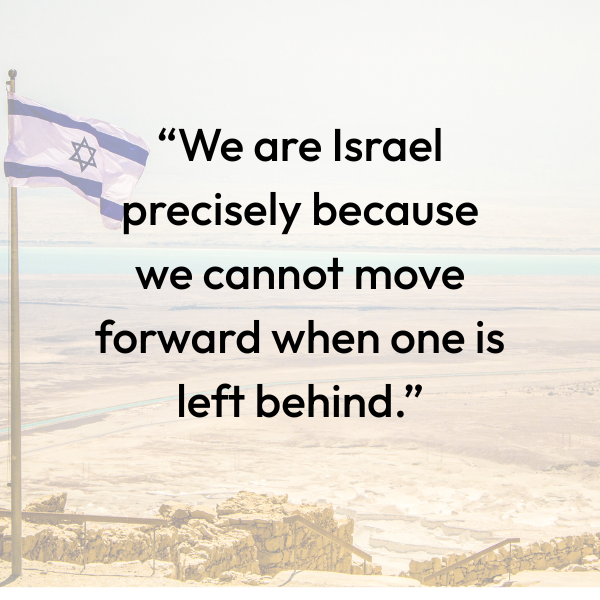
Jacob's solitary wrestling match transforms him. He emerges with a new name, Israel, and a wound he will carry forever. The encounter in darkness changes everything. Perhaps this teaches us that wrestling with absence, with the void where someone should be, is what shapes us as a people. We are Israel precisely because we cannot move forward when one is left behind.
The Jewish principle of pidyon shvuyim (redeeming the captives) is considered one of our highest obligations. Rambam writes that there is no mitzvah greater than redeeming captives, for the captive is among the hungry, thirsty, and those in mortal danger. But what of those who can no longer be redeemed in life? What of the body that must return for proper burial, for kavod hamet (respect for the dead)?
Jacob wrestled until daybreak and refused to let go until he received a blessing. We too must wrestle with this darkness, refusing to let go until this one soul is brought home. For we understand what it means to be left alone, levado, and we know that our people’s wholeness, our definition of kehilat kedoshah (“sacred community”), depends on ensuring that no one, living or dead, remains abandoned in the darkness.
May we merit to see the day when all the victims of 10-7 are accounted for, when the count is complete, and when every soul finds its rest. Because we are only Stronger Together!
|

|